%20{%20.cls-1%20{%20fill:%20%23fff;%20}%20}%20%3c/style%3e%3c/defs%3e%3cg%20id='Layer_1-1'%20data-name='Layer%201'%3e%3cg%20id='Layer_1-1'%20data-name='Layer%201-1'%3e%3cpath%20class='cls-1'%20d='m220.77,35.74c2.97,0,3.62,1.09,3.41,3.84-1.09,18.77-14.64,37.69-32.18,43.57-5.87,1.96-12.32,2.83-18.48,3.12-12.61.43-25.23.14-37.84.14-1.59,0-3.19.07-4.71.29-6.09.94-10.22,5.65-10.08,11.53.14,5.87,4.78,10.8,10.87,11.09,5.94.29,11.96-.07,17.9.22,13.77.72,23.78,7.54,29,20.59,8.12,20.22-6.6,42.7-27.98,43.06-11.24.14-22.54.07-33.78.07-8.41,0-10.73,1.88-12.69,10.15-.94,3.77-1.74,7.61-3.04,11.31-6.02,17.11-17.9,27.18-35.59,29.07-9.64,1.01-19.5.14-29.79.14,2.25-10,4.35-19.5,6.52-29,1.88-8.19,3.84-16.31,5.58-24.5,3.26-15.01,13.48-23.7,28.49-23.85,13.77-.14,27.47-.07,41.25-.22,5.44-.07,9.64-3.19,11.09-7.97,1.38-4.35-.07-9.79-3.99-12.25-2.1-1.3-4.78-1.96-7.25-2.32-7.83-1.09-15.87-.94-23.41-2.97-19.21-5-31.53-22.54-30.95-42.48.58-19.93,14.35-37.11,33.27-41.46,3.26-.72,6.67-1.09,10-1.09l114.39-.07h0Z'/%3e%3c/g%3e%3c/g%3e%3c/svg%3e)
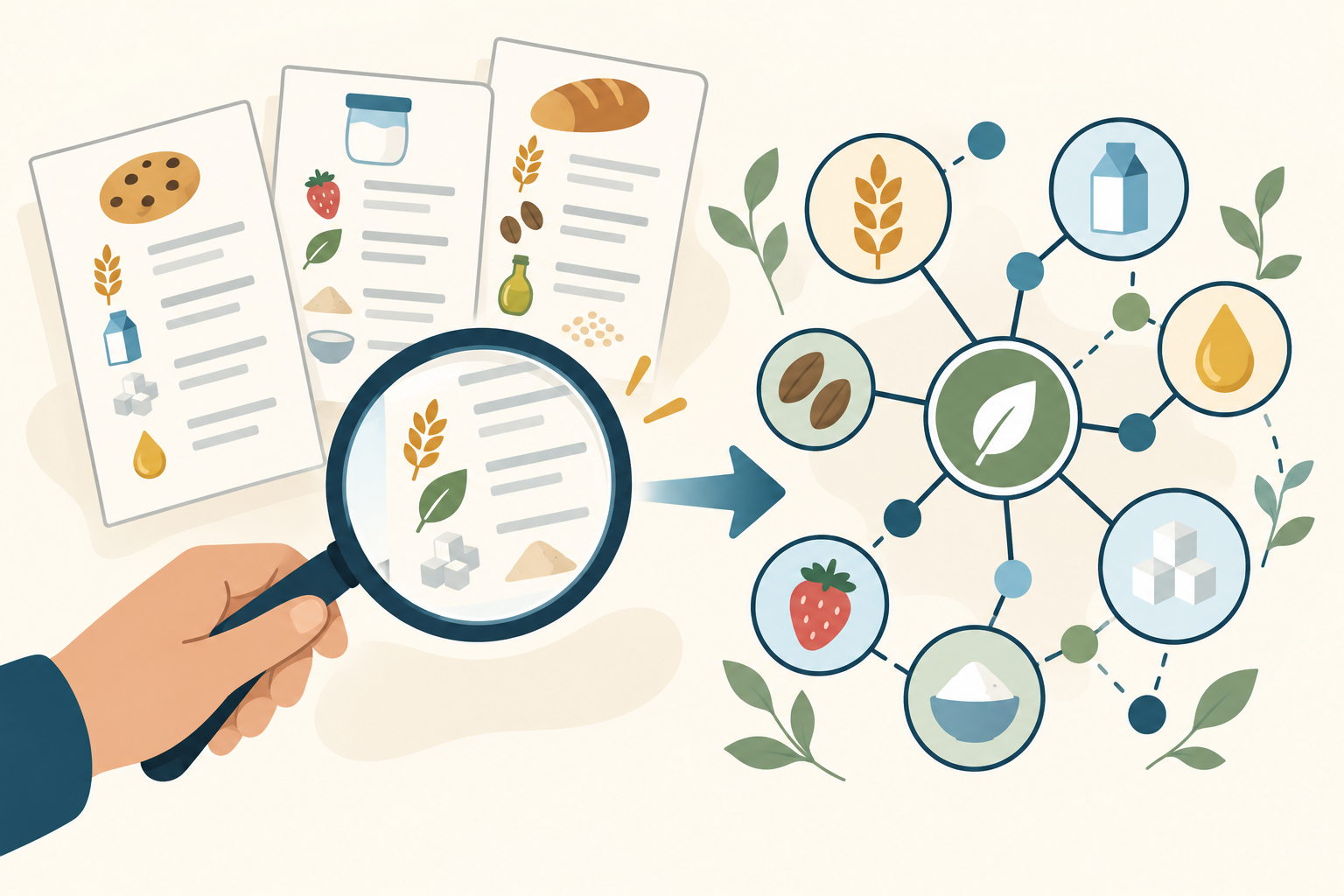
From Food Labels to Reusable Ingredient Data
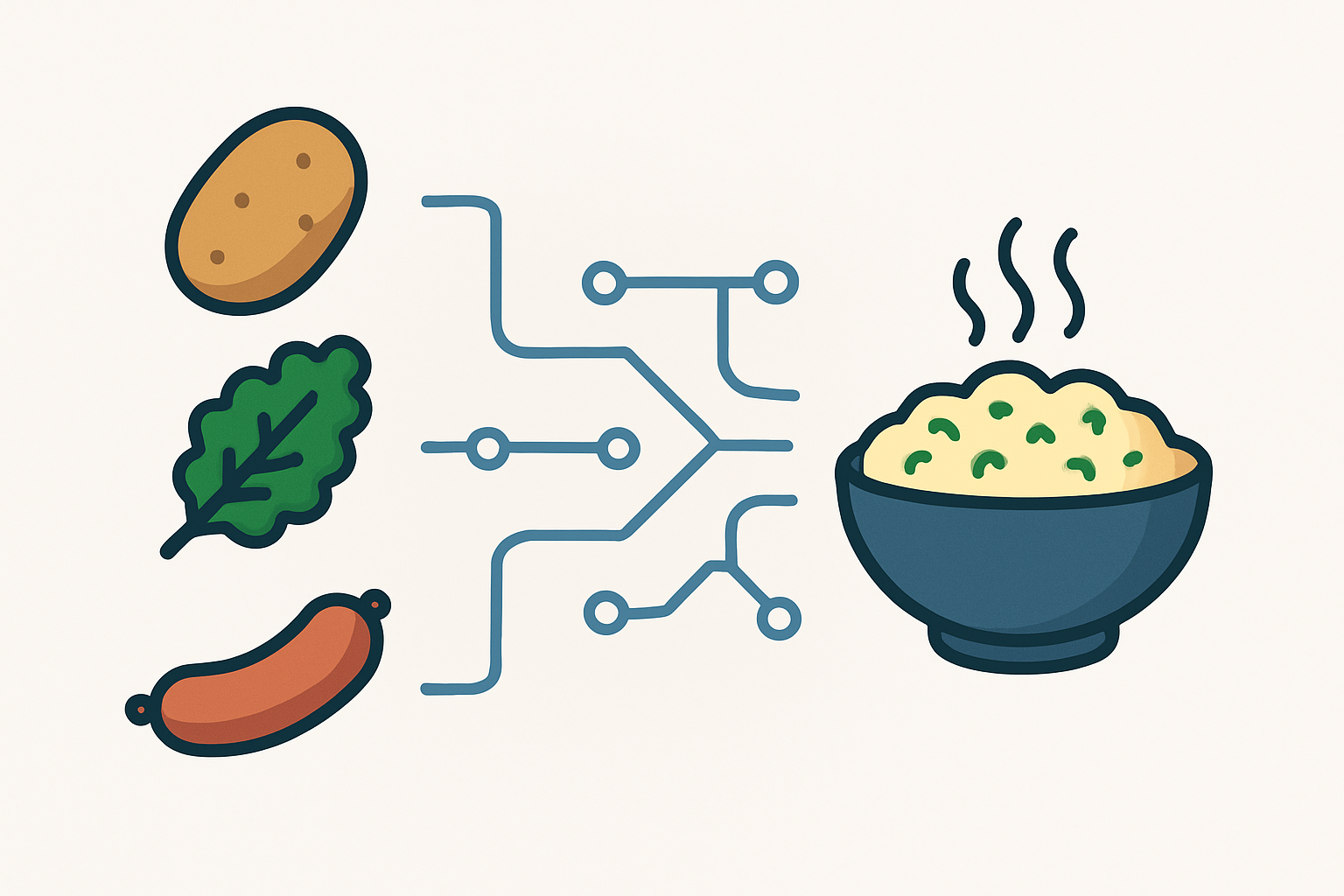
How our team built a traceable reference corpus and tested a human-in-the-loop workflow for linking Dutch food ingredients to FoodOn and ChEBI.
Articles, tutorials, and insights about data science, machine learning, and analytics. Sharing knowledge and experiences from my work in healthcare, sustainability, and business intelligence.
How our team built a traceable reference corpus and tested a human-in-the-loop workflow for linking Dutch food ingredients to FoodOn and ChEBI.
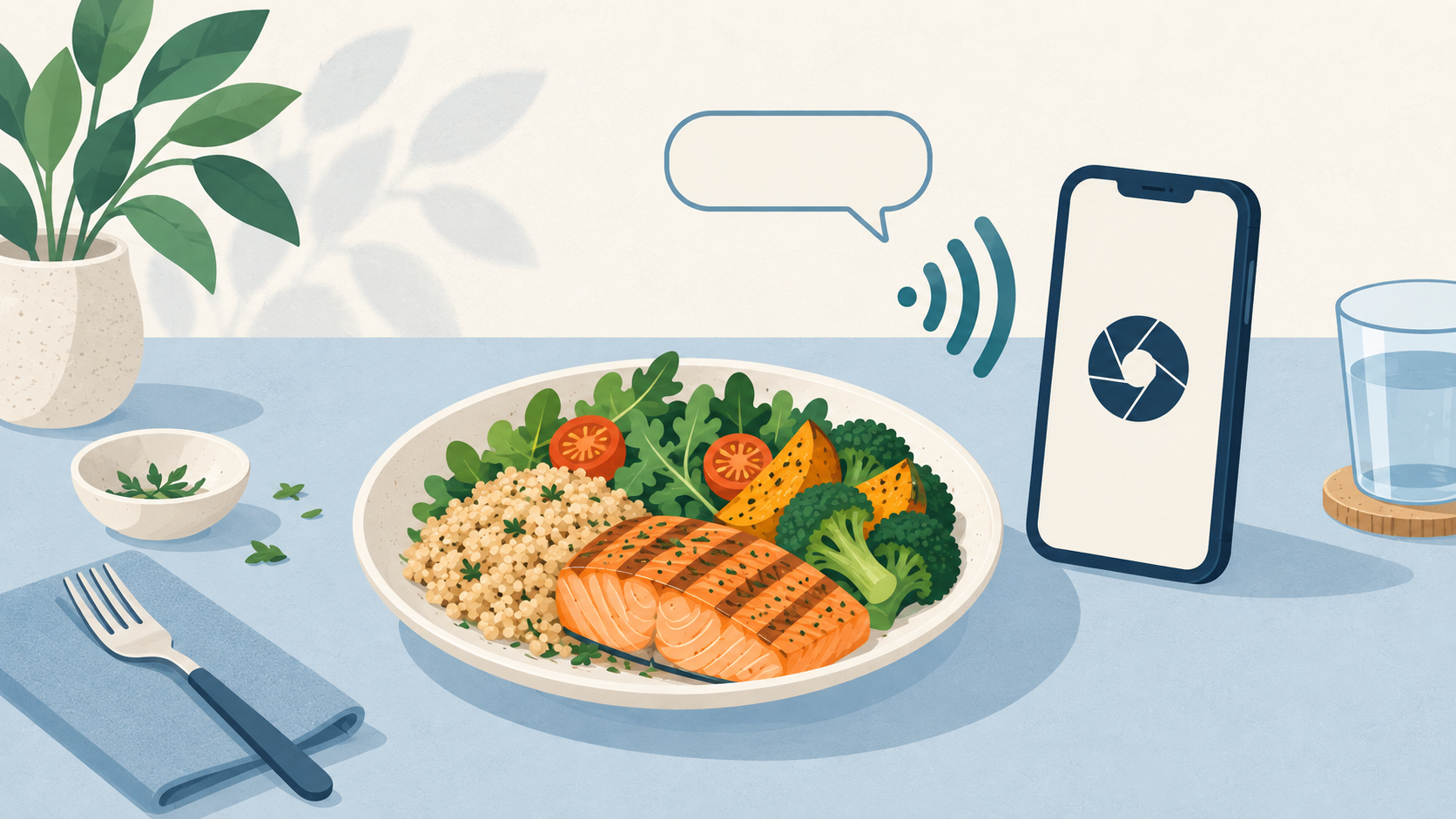
For my MSc thesis, I built Snap and Say, a food logging app that uses photos, voice, and selective follow-up questions to balance nutritional detail with ease of use for older adults.
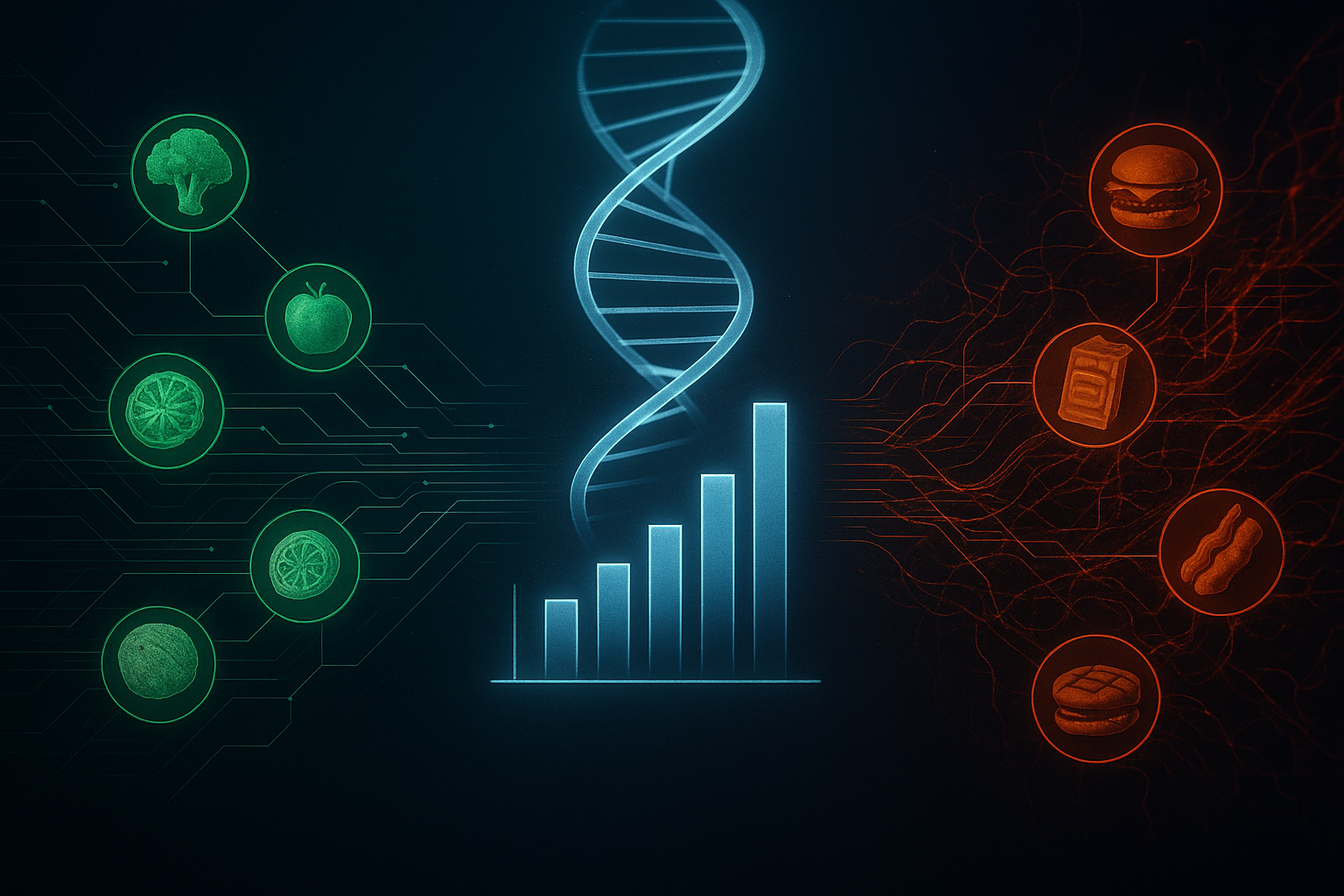
A deep dive into how I used Association Rule Mining and NLP-powered clustering on national survey data to identify popular Dutch dishes, analyze dietary trends over 15 years, and assess their nutritional quality.
The multi-billion dollar Direct-to-Consumer (DTC) genetic testing industry is an ethical minefield. This post breaks down the key risks—from data privacy to flawed health reports—and proposes a framework for responsible innovation using data justice and co-design principles.
A case study on using Latent Profile Analysis and Cox Proportional Hazards modeling to identify pre-diagnosis dietary patterns associated with colorectal cancer recurrence. We navigated complex, high-dimensional health data to deliver clinically relevant insights.
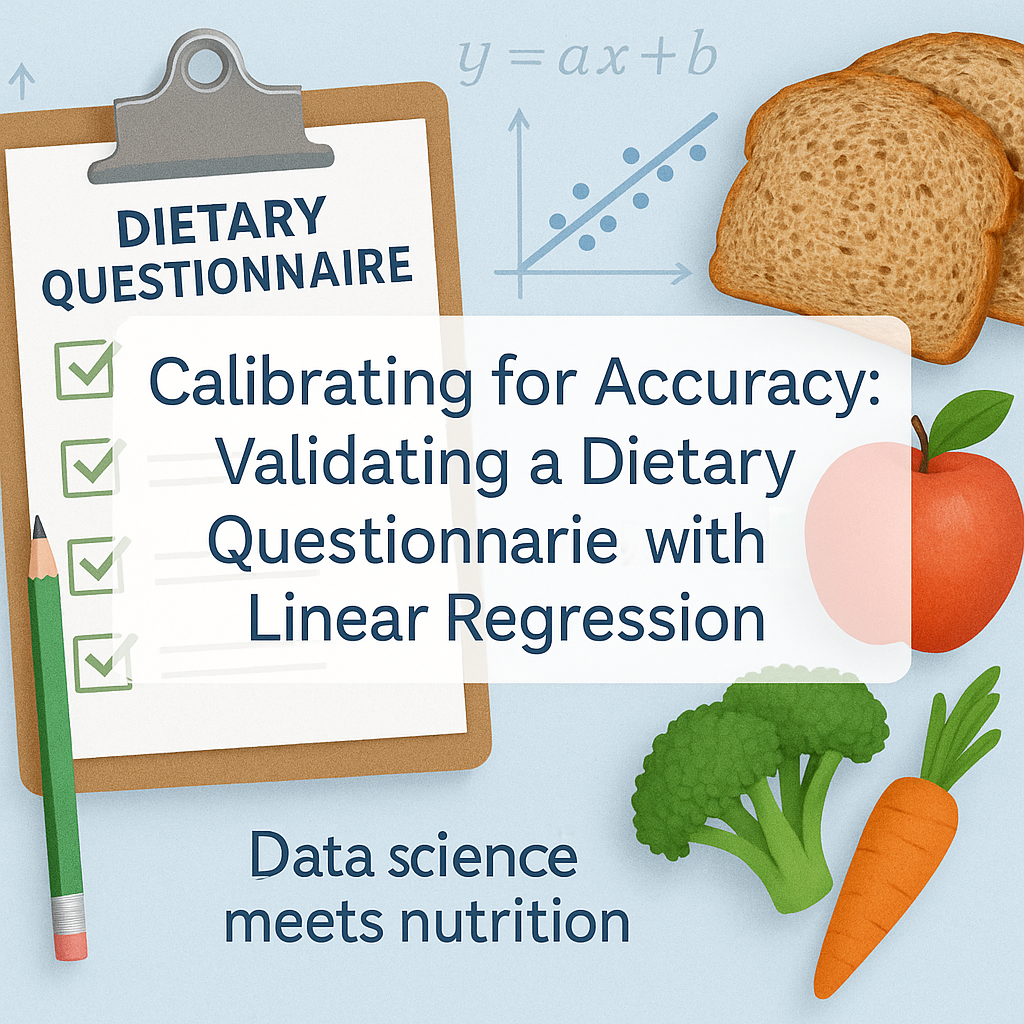
A case study on validating a new Food Frequency Questionnaire (FFQ) for dietary fiber intake. This post details the use of 24-hour dietary recalls as a reference method and the application of linear regression calibration to correct for measurement error, enhancing data accuracy for epidemiological research.
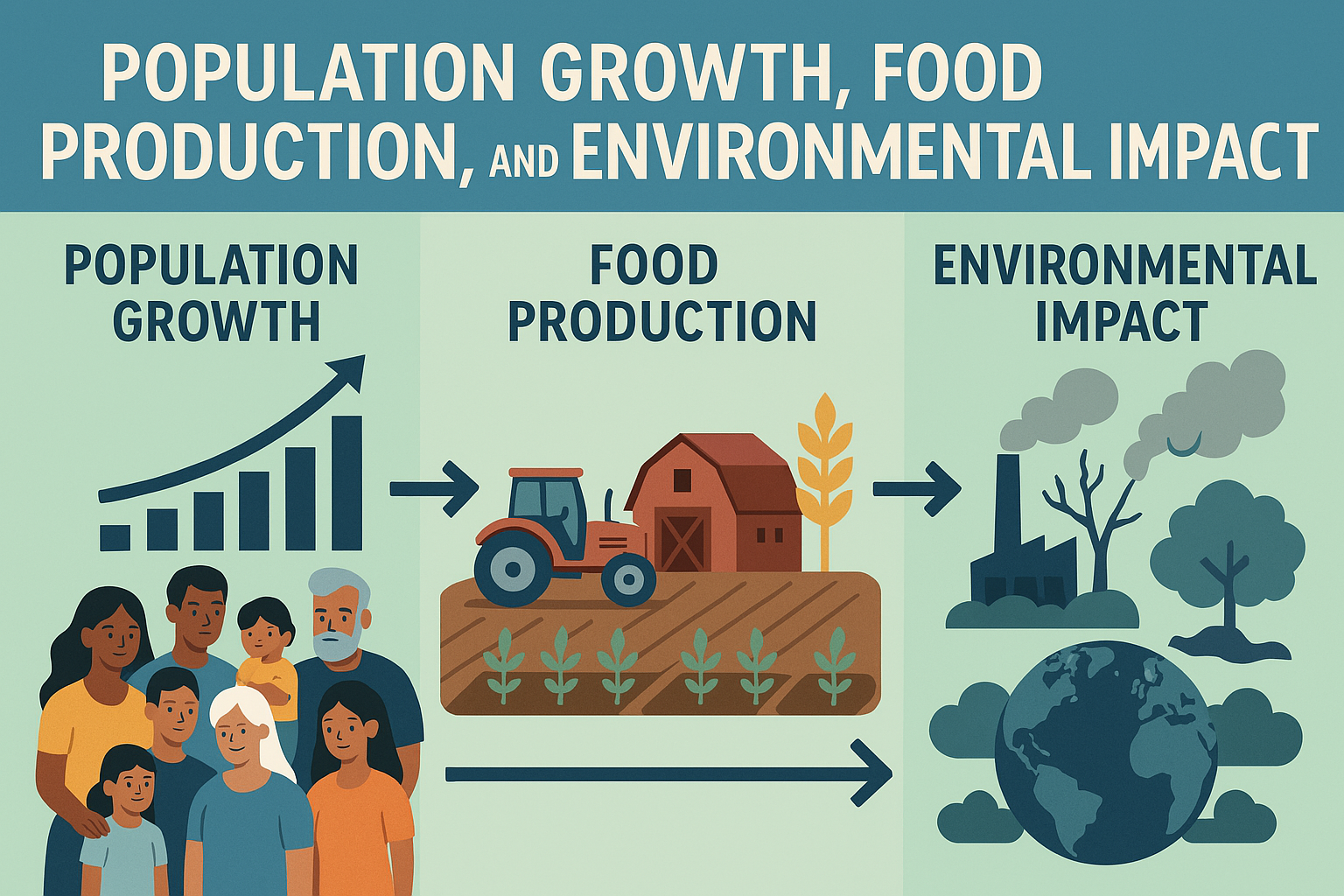
Analyzed multi-source data on global food production, population, and emissions using time series techniques. Developed and compared forecasting models (ARIMA, VAR) to predict future trends.
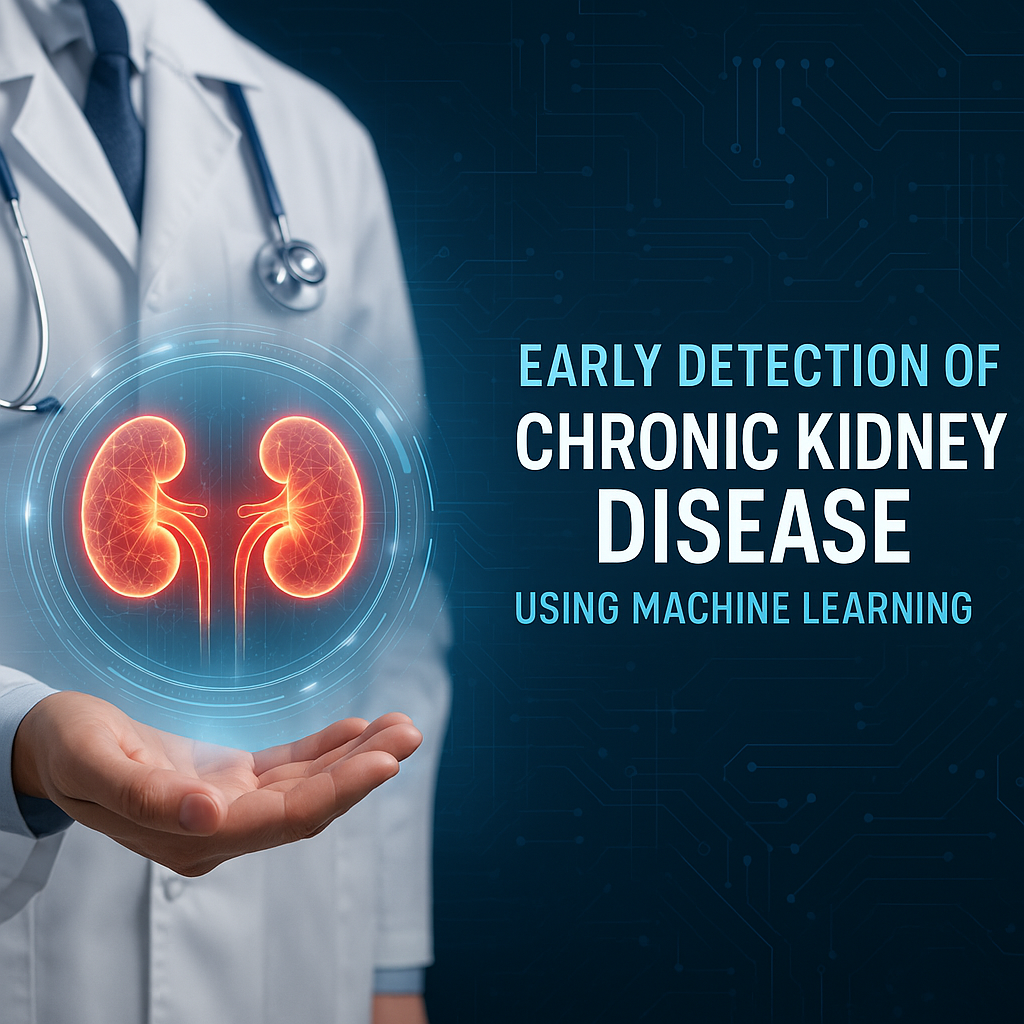
Leveraging machine learning on clinical data to build a robust model for early Chronic Kidney Disease (CKD) detection, improving patient outcomes and potentially reducing healthcare costs.
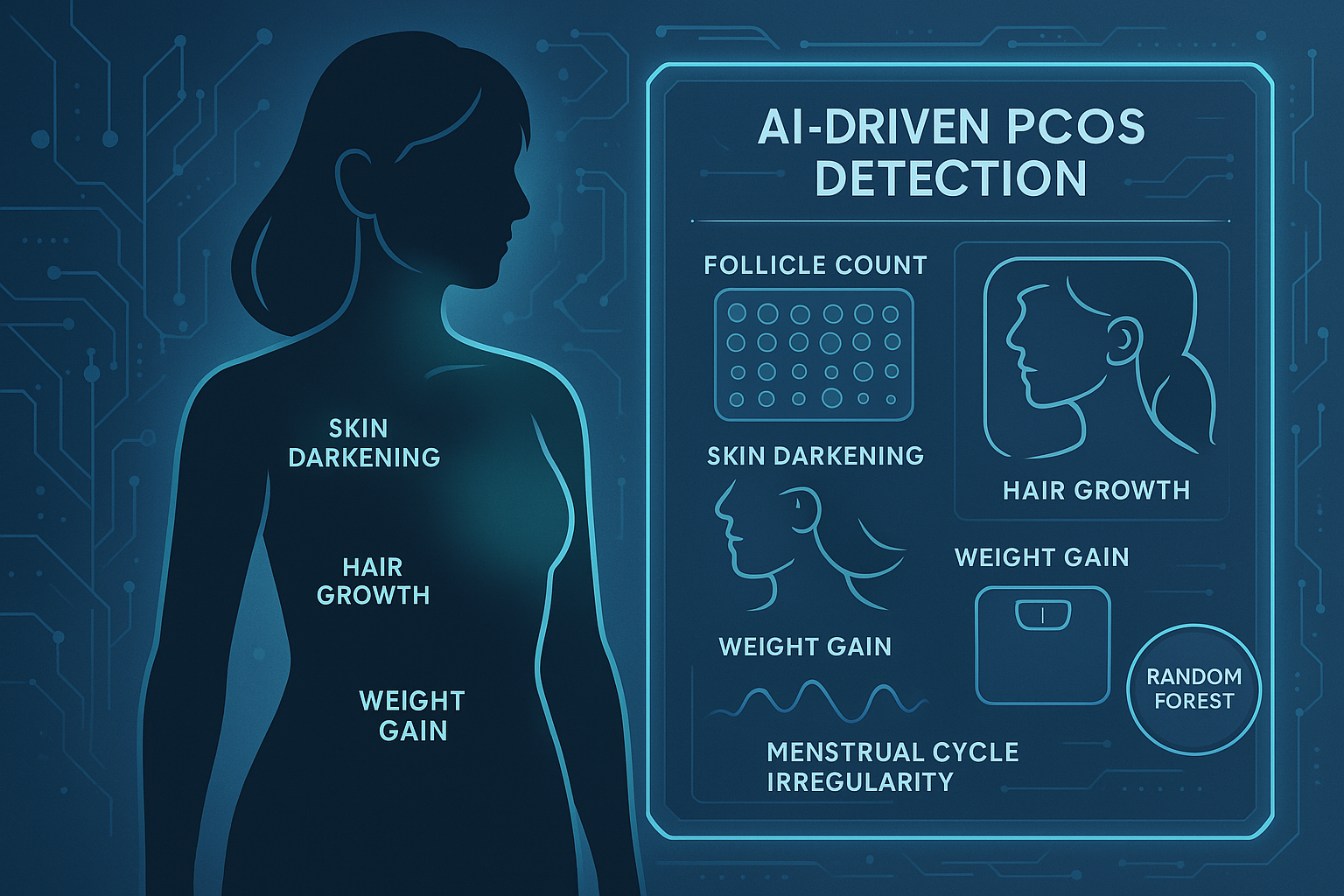
Building and evaluating machine learning models to predict Polycystic Ovary Syndrome (PCOS) using clinical and biochemical features, achieving high accuracy for early diagnosis.
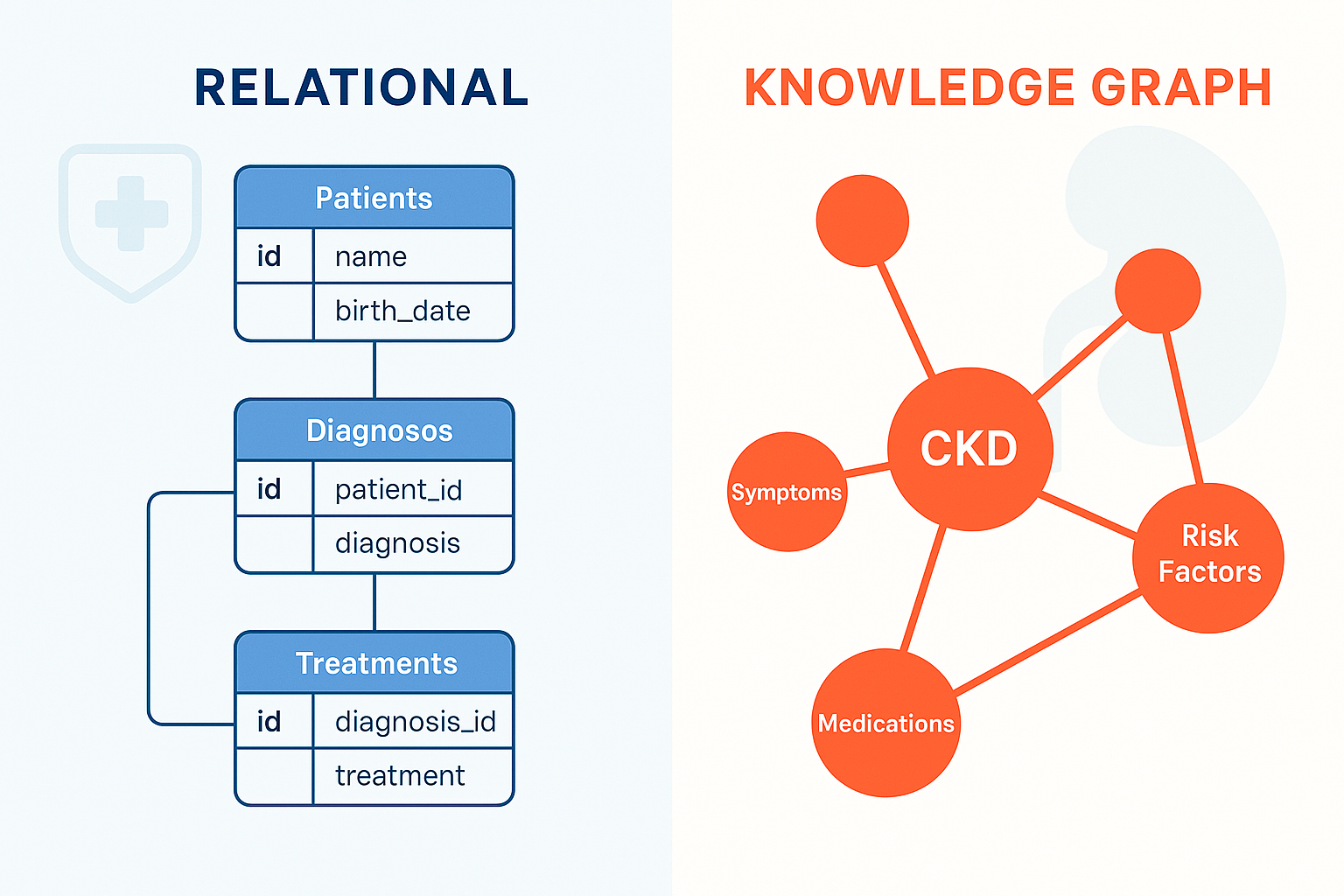
Leveraging Python, RDFLib, and standard medical ontologies (SNOMED-CT, LOINC) to transform tabular Chronic Kidney Disease data into a structured Knowledge Graph, highlighting data integration and problem-solving.
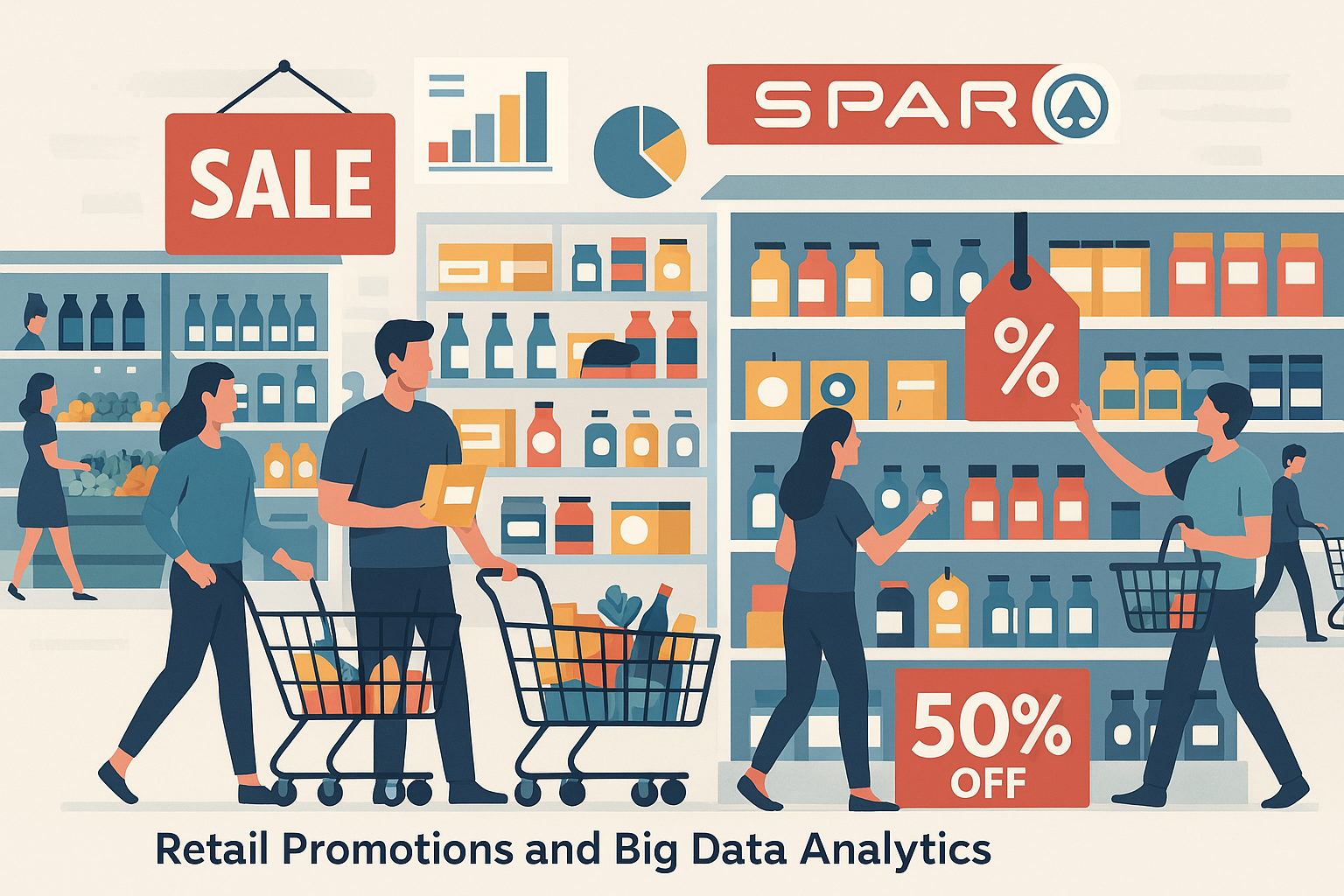
Discover how a custom big data system helps SPAR analyze promotional effectiveness, basket size, and cannibalization effects using Apache Spark and advanced analytics.
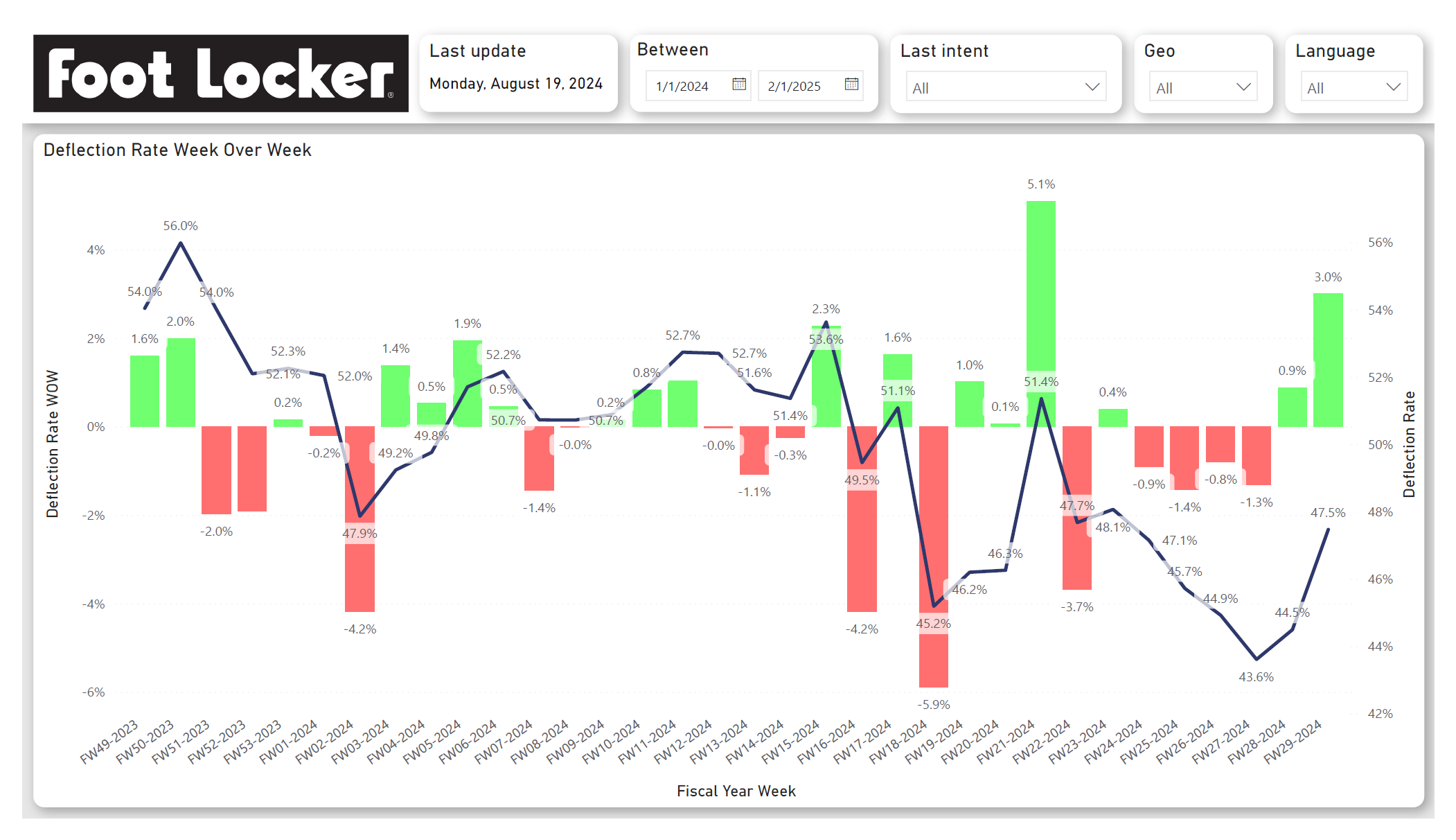
Discover the process behind creating a Power BI dashboard to monitor Foot Locker's chatbot performance, focusing on key metrics like deflection rate and escalations, and the valuable lessons learned.
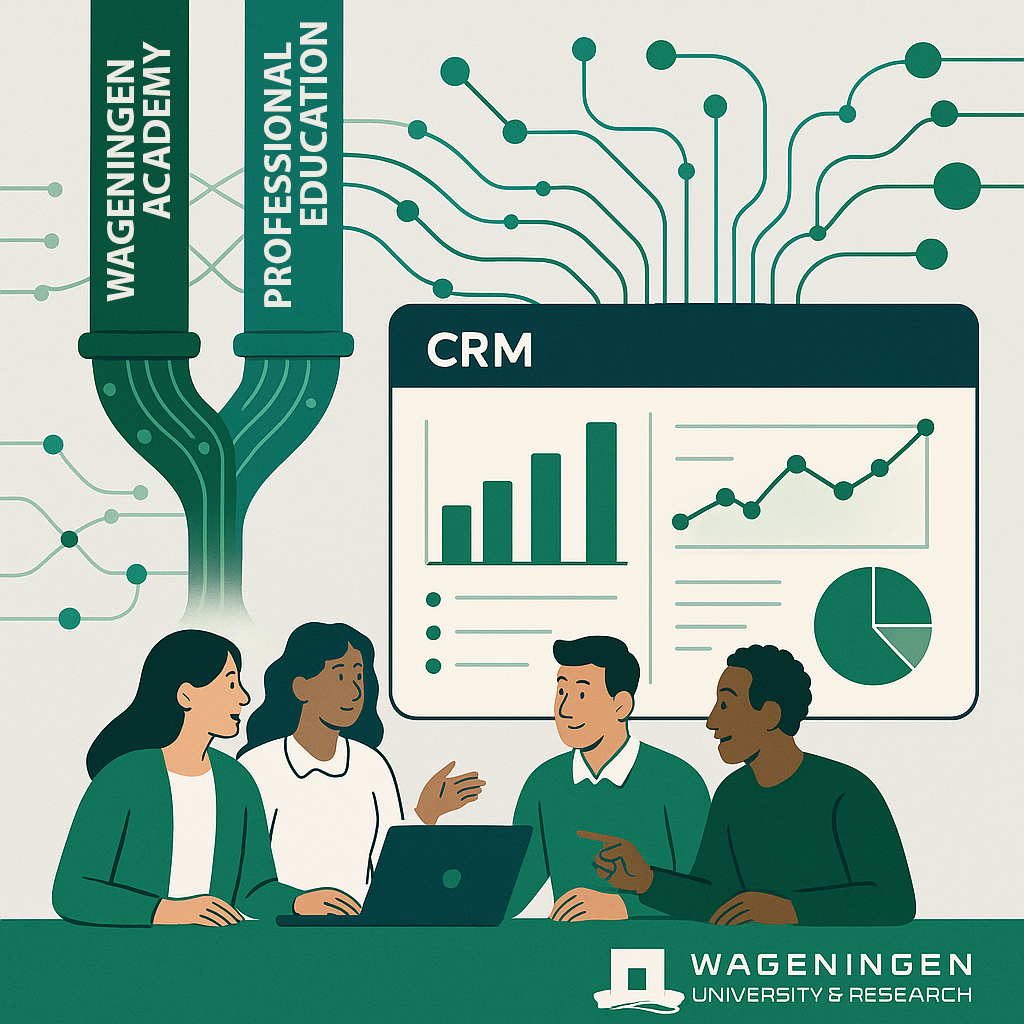
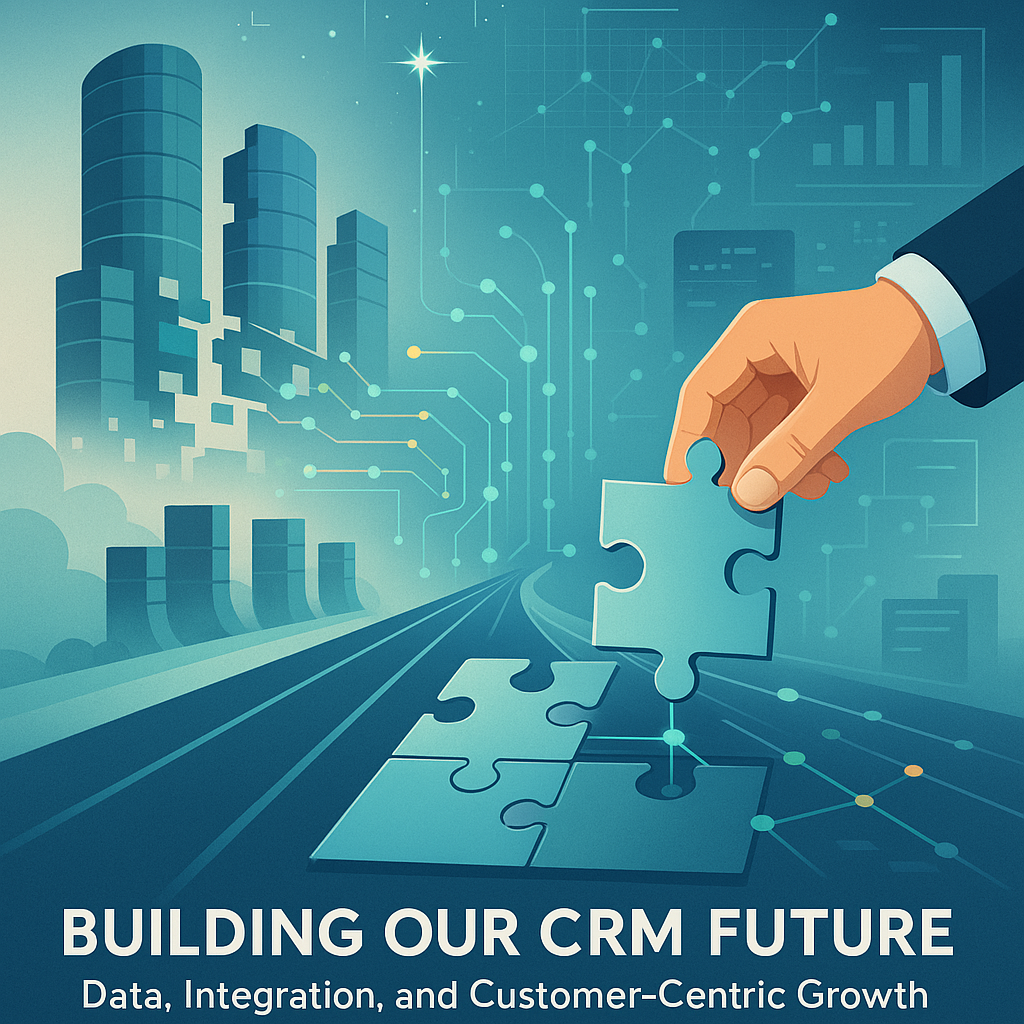
Follow the journey of integrating two distinct CRM systems at Wageningen University & Research to enhance customer experience, boost efficiency, and drive cross-selling opportunities between Wageningen Academy and Professional Education.
Discover how Wageningen University & Research crafted its CRM Plan 2023—a strategic roadmap to break down silos, optimize data structures, and enable data-driven marketing for deeper customer insights and cross-selling opportunities.
No articles match your search criteria. Try adjusting your filters or search terms.